Who We Are
Founded in 2024, Mosaic Health Limited is a Kenyan startup that builds sustainable markets for women’s health innovations from the ground-up. We aim to fill specific gaps in the women’s healthcare landscape with solutions that are higher quality, more efficient, or more affordable than the status quo – creating long-term value for patients and providers. Our portfolio currently includes health innovations in menstrual and maternal health.
In Ancient Rome, mosaics were among the most popular art forms of the day. Made up of hundreds of independent tiles or stones, mosaics were used to decorate floors, ceilings, and walls of ancient structures like temples and palaces – their individual parts giving way to a beautiful picture when pieced together. Mosaics were designed to endure, often featuring sacred images that could be cherished for ages.
Health systems – and the markets they rely on – include hundreds of independent actors and institutions with the potential to radically improve patient outcomes when they come together with purpose. Whether a health system is expected to save an individual patient or manage a widespread public health threat, its effectiveness depends on its connectivity, its value only visible in complete form. Mosaic Health Ltd was born out of this idea.
To drive sustainable improvements in women’s healthcare through the design and delivery of high-impact, market-based solutions
A marketplace of world-class products and services optimized for the needs of women and girls
Our values are inspired by the distinctive features of a mosaic:
If healthcare products and infrastructure are the hardware in a health system, relationships are the software. We place a heavy emphasis on forming meaningful connections with colleagues, customers, partners, vendors, and others in our orbit, firmly believing that the whole mosaic is greater than the sum of its parts.
Mosaics don’t just fall into place; they are pieced together with planning and purpose. We strive to be intentional in everything we do, developing solutions and making decisions based on specific criteria that fill gaps in the system or meet unique needs of under-served patient populations.
We plan to be here tomorrow. And the next day. To do that, we make sure the operations that undergird our offerings—the parts of the mosaic that may not be visible—are sound, efficient, and commercially sustainable at scale.
While some mosaics are made from stone, many are designed using glass tiles, enabling light to pass through and enhance the image. As a company, we prize transparency – in how we operate, who we work with, what we offer (or don’t) and why we do it, and we encourage all team members to create glass mosaics: in other words, to work in such a way that light can pass through.
There are no identical pieces in a mosaic—each tile or stone consists of its own unique properties that add value to the bigger picture. We are building a team in the image of a mosaic, with a wide variety of skill sets, experiences, identities, and personalities coming together for the sole purpose of saving and improving lives.
Whether we’re evaluating a prospective product/partner or running our day-to-day operations, it’s important to be circumspect and persistent in how we conduct our business. Mosaics aren’t built on a whim; they are meticulously crafted over many hours of hard work—just like the markets we intend to build.
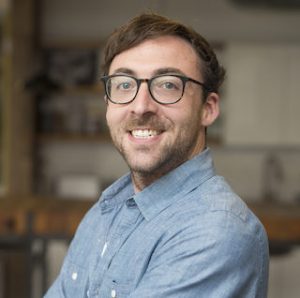
Adam is a social entrepreneur and global health professional with more than 15 years of experience working at the intersection of women's health, product innovation, and sustainable social business models. As CEO, Adam leads Mosaic's strategy and day-to-day operations. Prior to launching Mosaic, Adam led business development for a pair of mission-driven international companies: Gradian Health Systems in New York and Laerdal Medical in Norway. He has also consulted for organizations such as Merck for Mothers, Gates Foundation, FP2030, Benjamin Mkapa Foundation, Sanrai International, and Global Self-Care Federation; and he serves on the board of the Center for Public Health and Development. Adam holds a bachelor's degree in English from Washington and Lee University.